Underpriced to Outperform: Orange Building Leased Ahead of Market
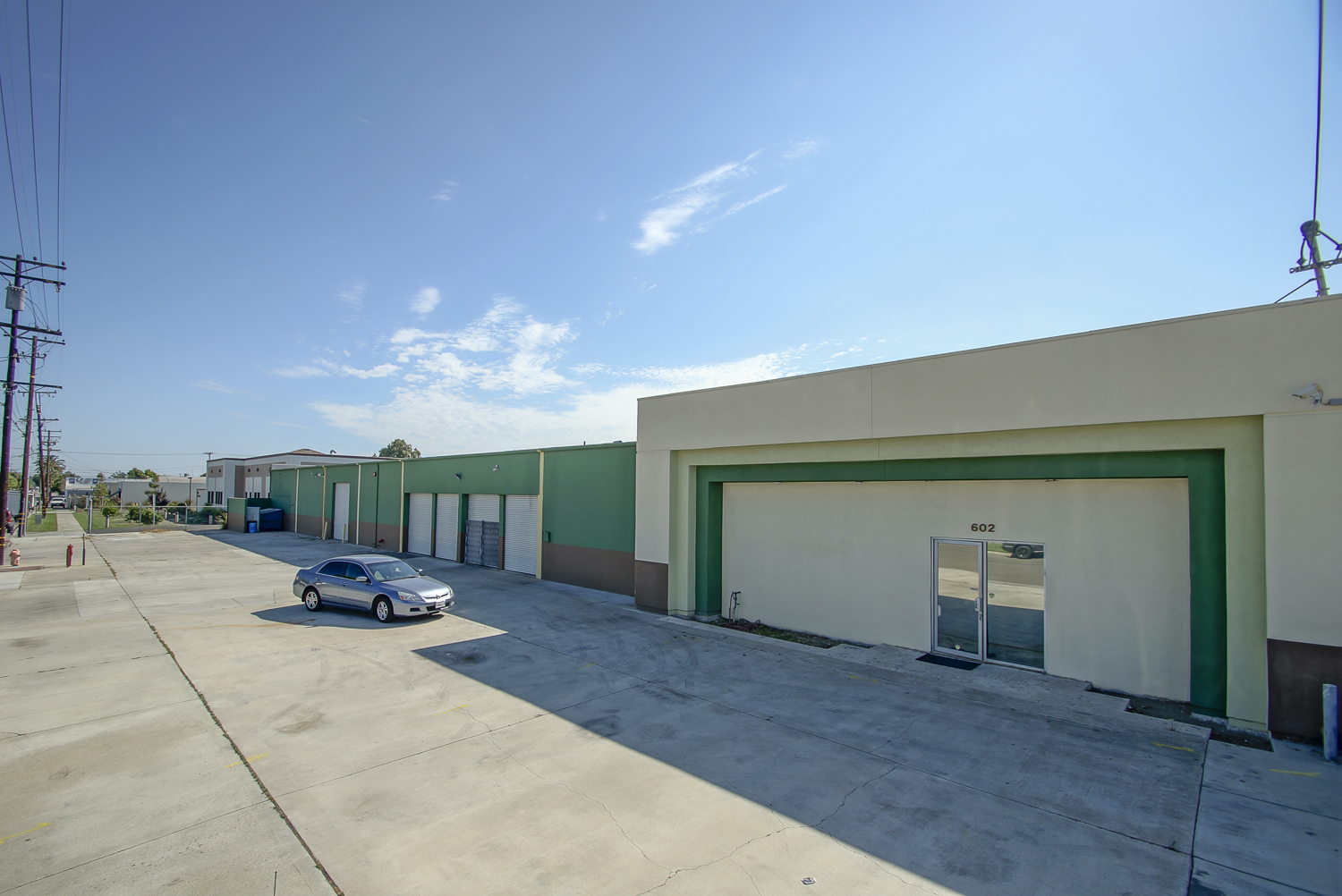
A long-time client and legacy owner had occupied his 32,000-square-foot industrial building in the City of Orange, California, for decades. By early 2023, with the owner ready to lease it out after vacating, the Orange County industrial market was shifting noticeably. Signs of slowdown had emerged as early as late 2022: lease rates began flattening or declining after explosive post-pandemic growth, days on market extended, and tenant demand softened aid economic uncertainty.
The property was solid and functional for manufacturing, warehouse, or distribution use, with good location advantages in North Orange County (proximity to freeways and labor). However, it didn't match the specs of newer Class A facilities—things like higher clear heights, modern loading, or premium amenities—making it harder to command top-tier rates in a more selective market.
The Challenge: Initial Resistance to Aggressive Pricing
I conducted a detailed market analysis and recommended an aggressive lease-rate strategy: price significantly below prevailing asking rates to generate immediate interest and secure occupancy quickly. In early 2023, average NNN asking rates in Orange County hovered around $1.60–$1.70+ per square foot (with North County often in the $1.50–$1.65 range), but concessions were creeping in and effective rates were softening.
The owner hesitated—understandably. After 20+ years of strong performance and a very low cost basis, dropping the rate felt like leaving money on the table. We listed at a more standard (elevated) rate, and after nearly 90 days, activity was minimal: few tours and few offers. The combination of pricing, building characteristics, and broader market headwinds (rising vacancy from ~1.8% lows toward 3–4%+ in 2023) kept prospects away.
My Strategy: Go Aggressive to Lead the Market Decline
I returned with data showing the market was heading lower—vacancy climbing, more concessions standard, and tenants pushing back on rates. For a legacy owner with low basis, even a reduced rate would deliver excellent cash flow and returns compared to historical performance or prolonged vacancy.
We repositioned aggressively: set the asking rate as the most competitive in North Orange County at the time, well below market averages to stand out. Marketing emphasized:
- Quick occupancy for tenants downsizing or escaping rent escalations.
- Location perks in the City of Orange.
- Flexible terms to close deals fast.
The pivot was immediate. Calls and tours happened, offers emerged from serious tenants—all citing the rate as a key driver. These were users moving from larger spaces or facing steep renewals, eager to lock in savings.
The Results: A 7-Year Lease That Outperformed the Market Long-Term
We secured a creditworthy, long-term tenant on a 7-year deal—far quicker than the initial stall, minimizing vacancy risk in a deteriorating environment.
The strategy paid off brilliantly: By pricing ahead of the curve in 2023, we locked in a rate that started "below market" but became above market as countywide asking rents continued declining (dropping toward $1.50–$1.60 by mid-2025 and stabilizing/rebounding slightly in late 2025 amid signs of recovery). Three years later, the lease sits above prevailing rates, with a stable tenant in place for decades of proven business success.
The owner avoided extended downtime, generated reliable income, and positioned the asset strongly for the future—proving that in declining conditions, "underpricing" strategically often means getting ahead.
Key Takeaway
In shifting markets like Orange County's 2023 slowdown (and ongoing normalization through 2026), holding for peak rents on non-premium properties can lead to prolonged vacancy. Data-driven, aggressive pricing—especially for low-basis owners—creates velocity, secures strong tenants, and can flip a perceived concession into a long-term advantage as the market catches up.
